RSV Guides
What you need to know about RSV
.png)
For Parents & Families
Newborns & Infants
RSV is the leading cause of infant hospitalization. Know the symptoms, the protection options, and when to act.
Triage
When to take your baby to the ER for RSV
The specific signs that mean "go now" — labored breathing, color changes, oxygen, and hydration thresholds.
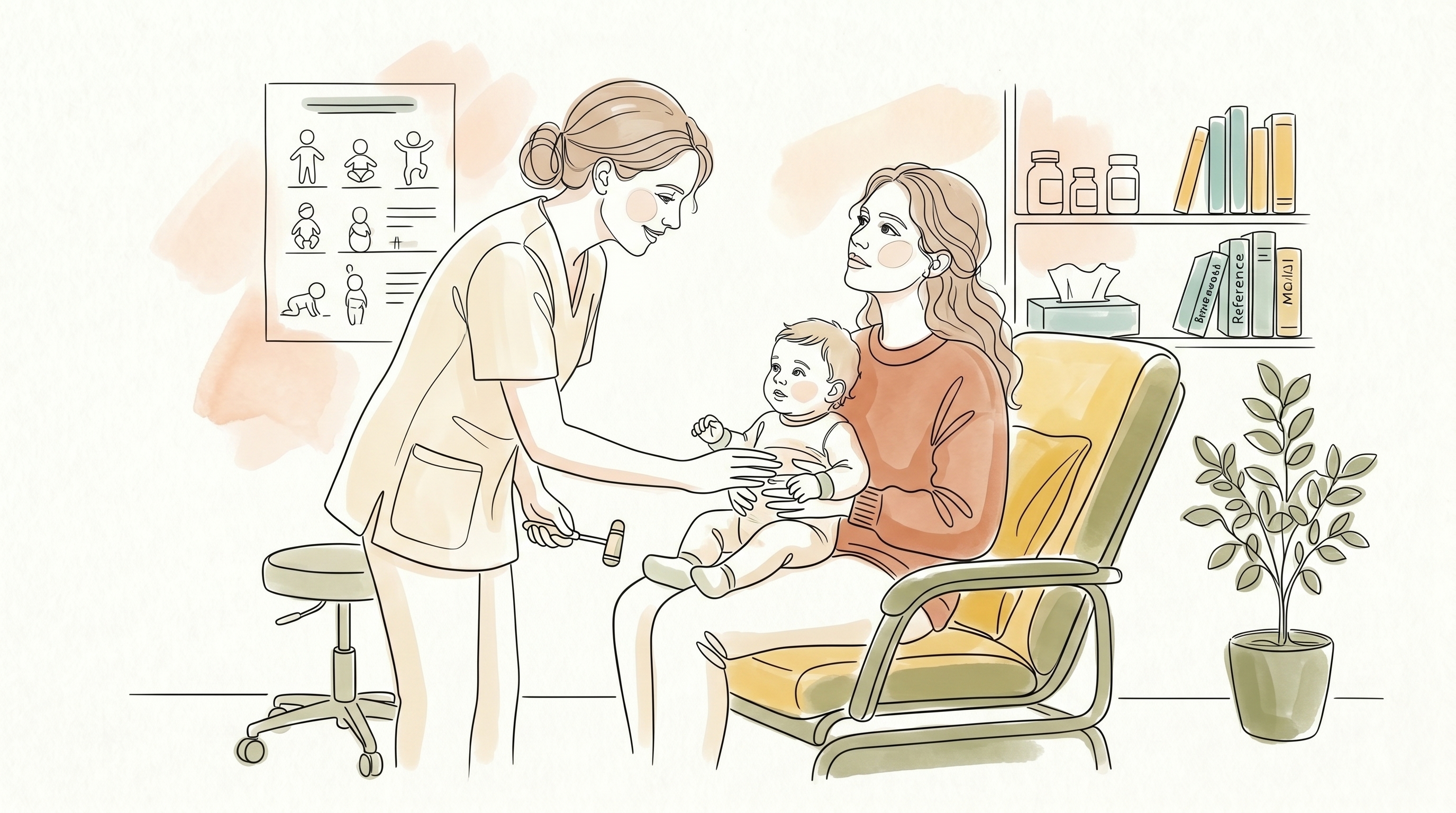
Symptoms
RSV symptoms in infants: what to watch for
The full progression from mild cold to bronchiolitis — what's normal and what's a warning sign.
Protection
Nirsevimab (Beyfortus): the RSV shot for infants
What it is, why it's not a vaccine, who it's for, when to get it, and what to expect.
Diagnosis
RSV vs. the common cold vs. flu: how to tell them apart
Same runny nose, different risks. What distinguishes RSV and when it matters.
Recovery
How long does RSV last?
Typical timeline, what peaks when, and what to watch for during recovery.
Home Care
Home care for RSV: what actually helps
Saline, suctioning, humidity, positioning — and the things that don't help. Plus when to stop managing at home.
High Risk
RSV and premature babies
Why preemies face higher RSV risk, how Beyfortus eligibility works for early arrivals, and what parents of NICU graduates need to know.
Contagion
How contagious is RSV — and for how long?
How RSV spreads, how long it lives on surfaces, when your child stops being contagious, and what to tell daycare.
For Expectant Parents
Pregnancy & the Newborn Window
Timing the maternal vaccine correctly protects your baby from birth — before they're old enough for Beyfortus.
Protection
Maternal RSV vaccine (Abrysvo) in pregnancy
The 32–36 week window explained — how the vaccine passes antibodies to your baby across the placenta, and how it fits with Beyfortus after birth.
Protection
Beyfortus and Abrysvo together: what to know
Can your baby get Beyfortus after birth if you had the maternal vaccine? What the current guidance says about using both.
Pregnancy
RSV infection during pregnancy: what happens
What RSV illness means for mom and baby during pregnancy, and whether it changes your newborn's risk.
.png)
For Adults 60+
Older Adults & RSV Vaccines
RSV is underestimated in older adults — it causes more hospitalizations in 65+ than most people realize. Two vaccines are now approved.
Adults 60+
RSV in older adults: what's different
Why RSV is seriously underestimated in adults 60+, how it differs from a bad cold, and what the new FDA-approved vaccines change.
Vaccines
Abrysvo vs. mRESVIA: which RSV vaccine is right for you?
Both are FDA-approved for adults 60+. How they differ, what the data shows, and how to decide with your doctor.
Chronic Conditions
RSV and COPD: a higher-stakes combination
Why RSV hits harder with chronic lung disease, what the vaccine data shows for COPD patients, and when to escalate symptoms.
Timing
When is it too late to get the RSV vaccine this season?
The vaccine takes time to reach full effect. How to think about timing if RSV season has already started in your area.
.png)
For Immunocompromised & Chronic Conditions
Higher-Risk Adults
COPD, asthma, heart failure, and weakened immune systems all raise RSV risk. Knowing when to act is different for this group.
Immune
RSV with a weakened immune system
How RSV behaves differently in immunocompromised patients — transplant recipients, cancer treatment, autoimmune conditions — and what protection options exist.
Planning
RSV season planning with a chronic condition
A practical guide to building a season plan with your care team — vaccine timing, exposure management, and knowing your escalation threshold.
Chronic Conditions
RSV and heart failure: what the research shows
RSV is a significant cardiac trigger in people with existing heart disease. What the data shows and how to talk to your cardiologist about it.